SIDS is committed to saving lives, reducing suffering, and building resilience in communities affected by natural disasters, conflicts, and emergencies. Our rapid response teams provide lifesaving relief, while our disaster preparedness initiatives equip communities with the skills and resources to withstand future crises.
Our approach combines immediate humanitarian aid with long-term disaster risk reduction strategies, ensuring that affected populations recover and rebuild sustainably.
Our Approach
Emergency Relief & Humanitarian Assistance
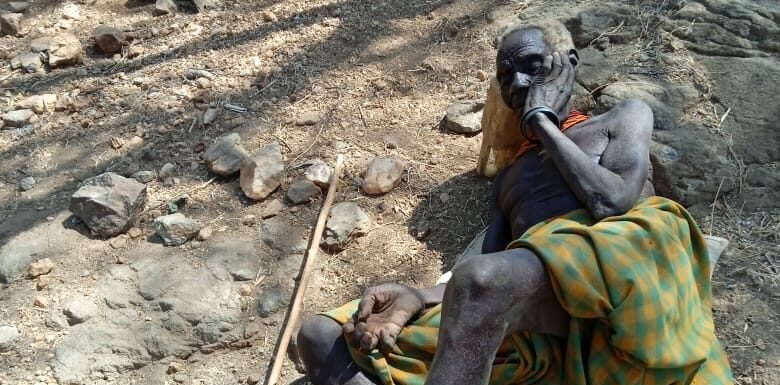
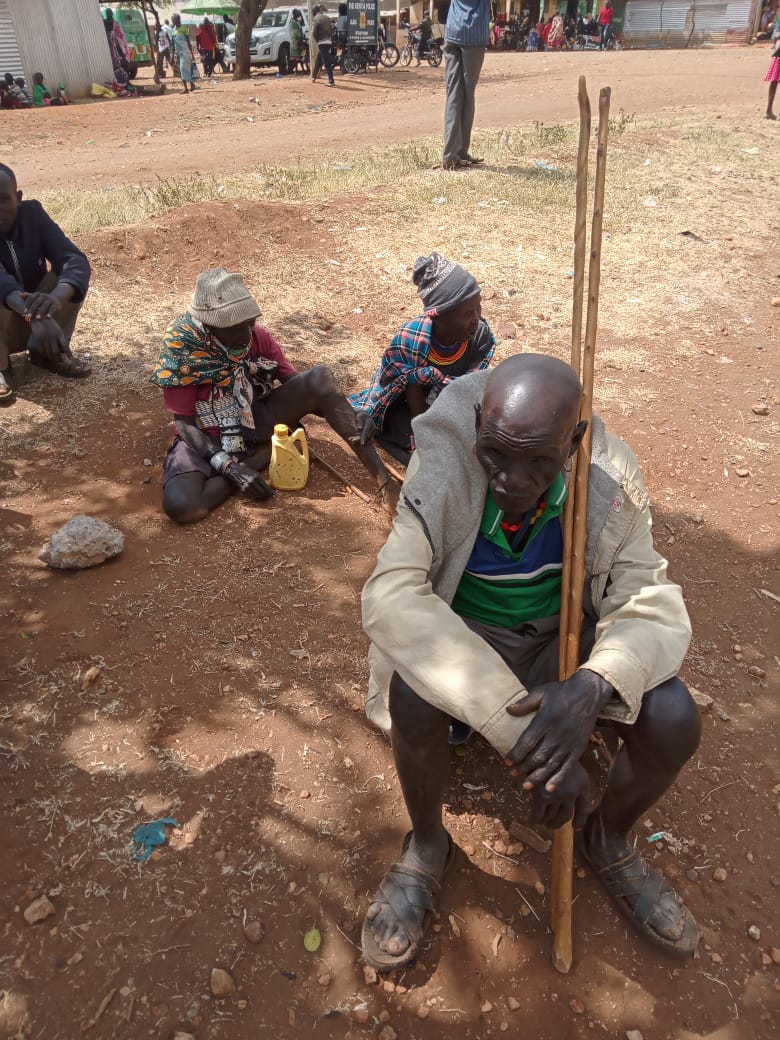
During droughts, floods, conflicts, and other emergencies, SIDS provides critical aid to ensure that vulnerable communities receive the help they need to survive and recover. Our emergency relief efforts include:
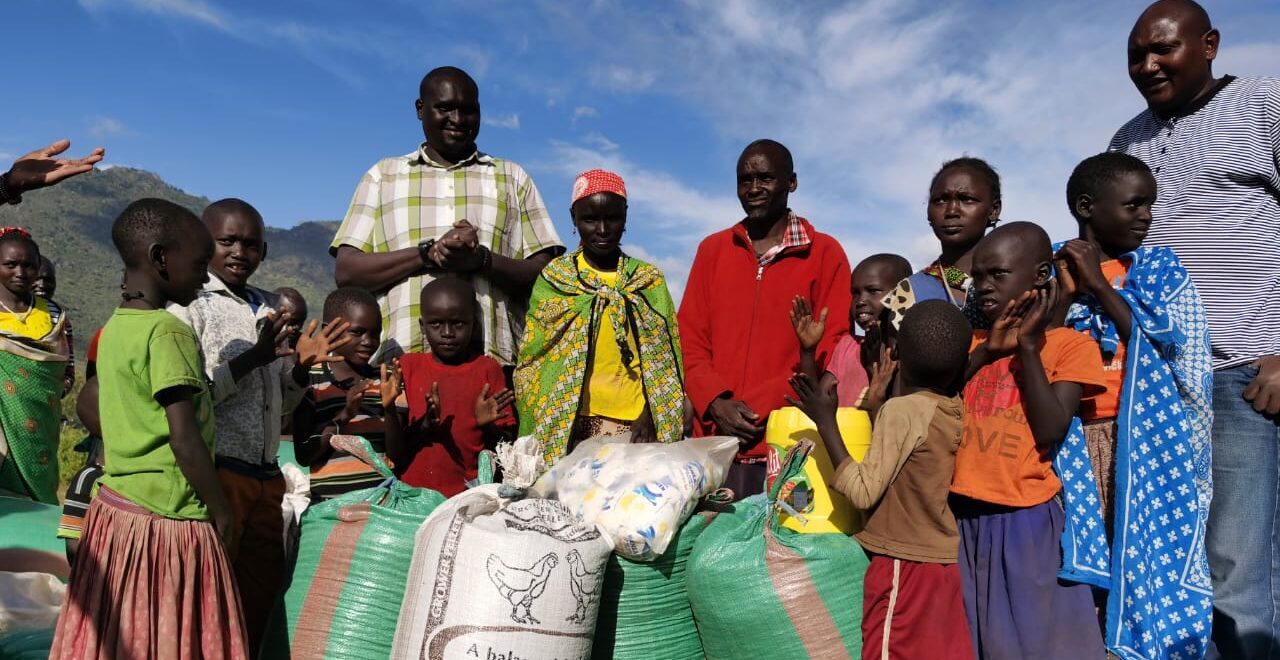
- Food Aid & Nutrition Support – Distributing nutritious food packages to families facing hunger and malnutrition, particularly children, pregnant women, and the elderly.
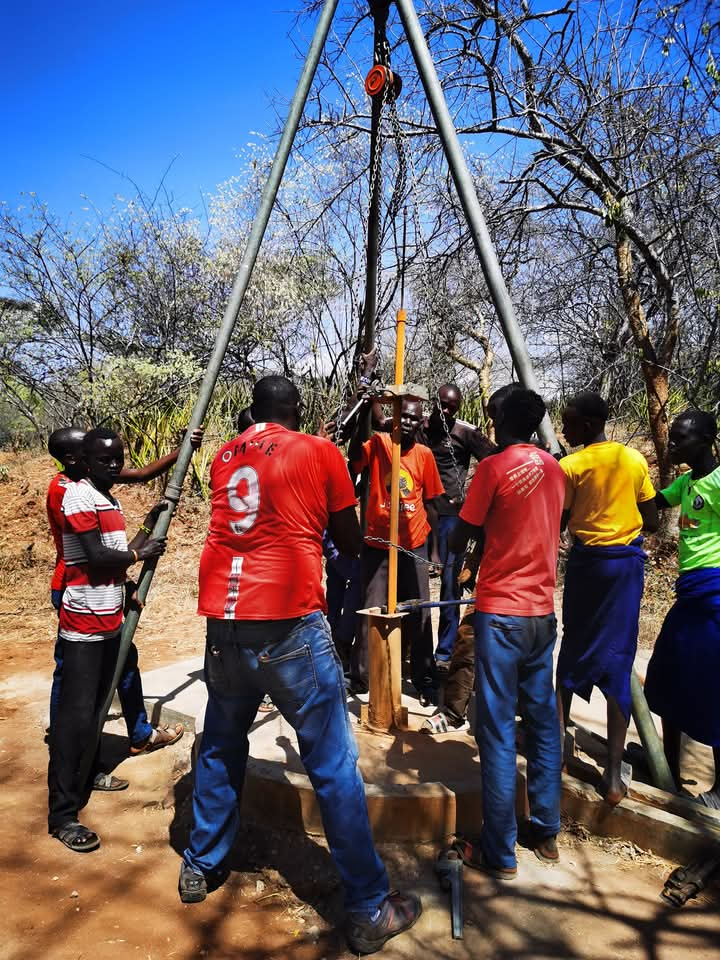
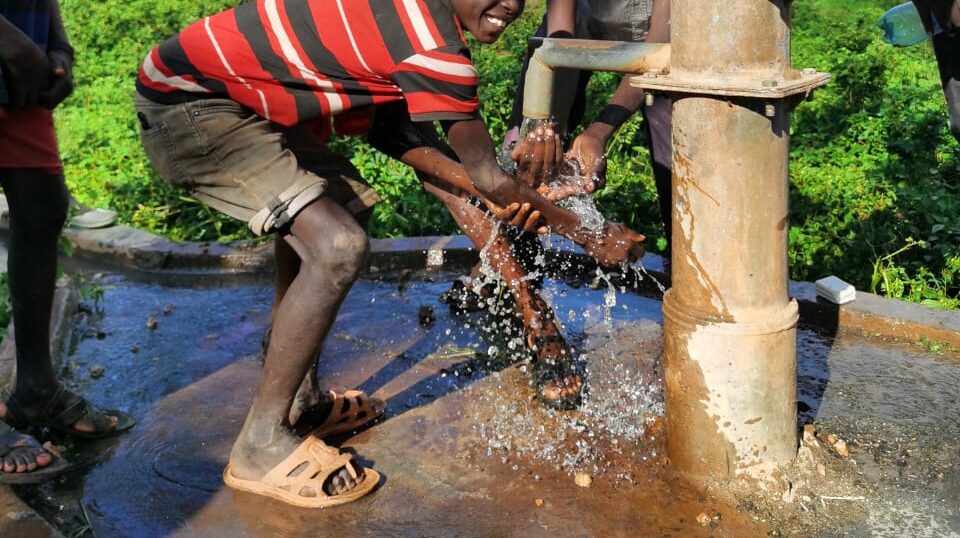
- Clean Water & Sanitation – Setting up emergency water supply systems, water purification stations, and sanitation facilities in affected areas.
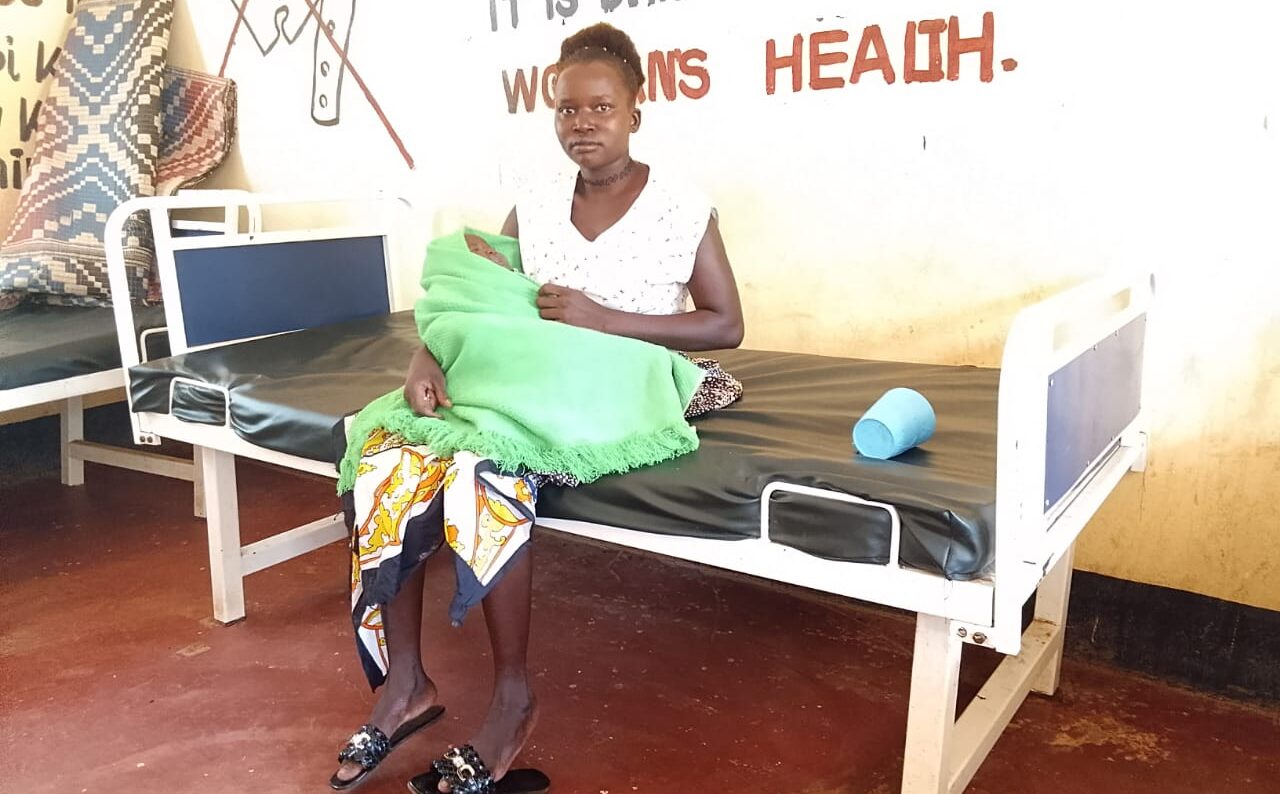
- Medical Aid & Mobile Clinics – Deploying health professionals and mobile clinics to provide urgent medical care, immunization services, and maternal health support.
- Shelter & Non-Food Items (NFIs) – Providing temporary shelters, blankets, clothing, cooking utensils, and hygiene kits for displaced families.
- Psychosocial Support & Trauma Counseling – Offering mental health support and trauma counseling to individuals affected by disasters, particularly survivors of conflict and displacement.
Impact:
Over 15,000 individuals have received food, clean water, medical care, and emergency supplies in the past five years.
Disaster Preparedness & Community Resilience
To reduce the impact of future disasters, we equip communities with training and resources to enhance their disaster preparedness and response capabilities. Our initiatives include:
- Early Warning Systems (EWS) – Establishing community-based alert systems for floods, droughts, and conflicts to allow early evacuation and response.
- First Aid & Emergency Response Training – Training local volunteers, teachers, and community leaders in first aid, search-and-rescue, and fire safety.
- Disaster Risk Reduction (DRR) Education – Conducting awareness campaigns on climate risks, emergency planning, and disaster mitigation.
- School & Community Safety Programs – Ensuring that schools and public spaces have emergency evacuation plans, safe shelters, and resilience strategies.
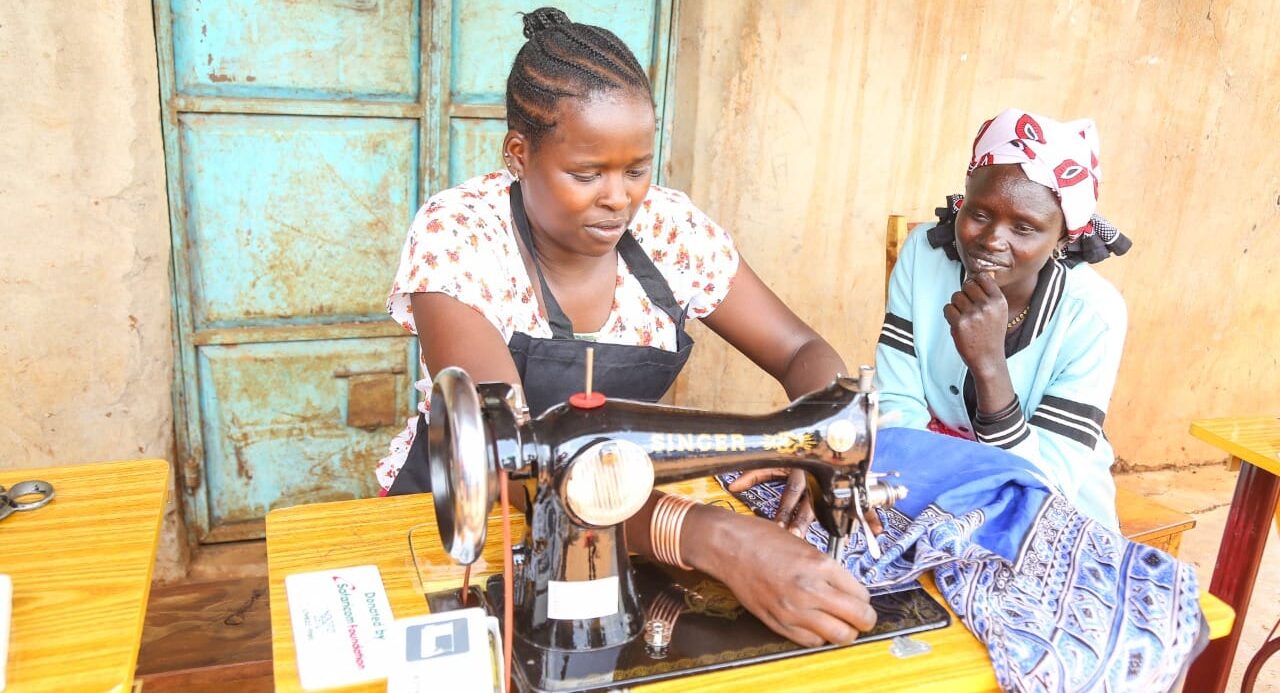
- Livelihood Adaptation & Climate Resilience – Supporting climate-smart agriculture, drought-resistant farming, and sustainable livelihoods to help communities cope with extreme weather events.
Impact:
Over 100 community leaders and 300 volunteers trained in disaster preparedness and risk reduction strategies.
Conflict & Displacement Response
In regions affected by inter-communal conflicts, forced displacement, and humanitarian crises, we provide:
- Emergency Support for Refugees & Internally Displaced Persons (IDPs) – Ensuring that displaced families have access to food, shelter, healthcare, and education.
- Peace building & Conflict Resolution – Organizing community dialogues, mediation efforts, and reconciliation programs to promote peace and coexistence.
- Protection of Vulnerable Groups – Working with women, children, and persons with disabilities to prevent exploitation, trafficking, and violence in conflict zones.
Impact:
Assisted over 5,000 displaced persons, providing essential relief and conflict resolution support.
Climate-Related Disaster Response
With climate change increasing the frequency and intensity of natural disasters, SIDS is proactively addressing climate-related risks by:
- Building Drought-Resilient Communities – Supporting water conservation projects, drought-resistant agriculture, and alternative livelihoods.
- Flood Preparedness & Infrastructure Improvement – Constructing flood barriers, improving drainage systems, and reinforcing community structures.
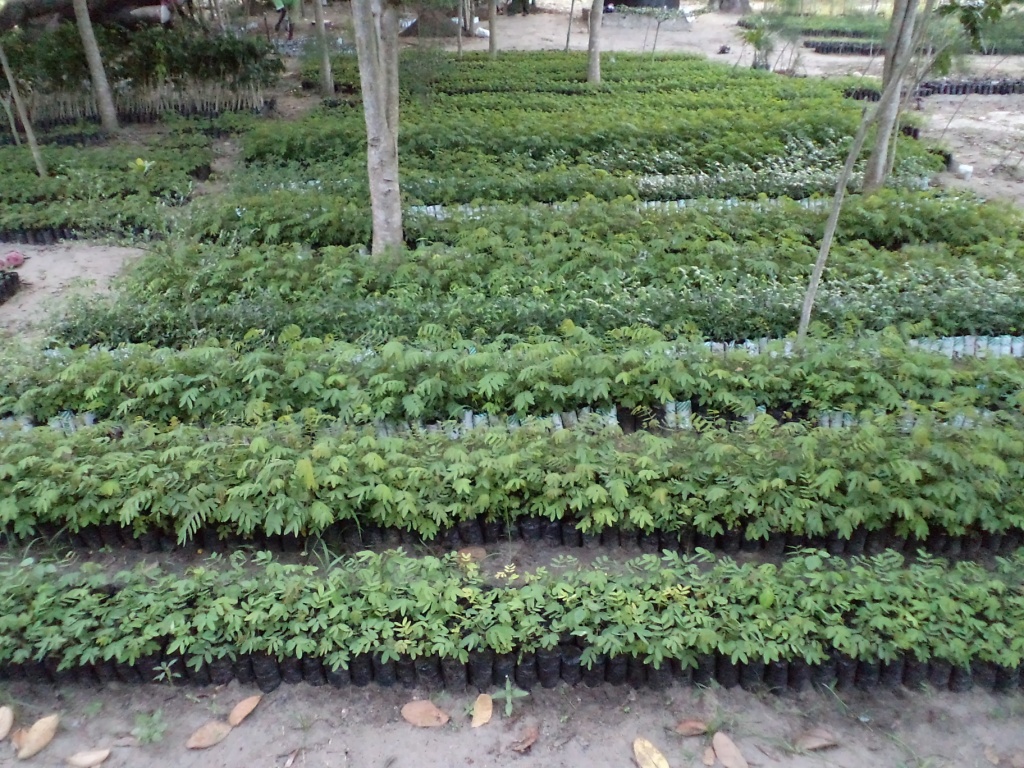
- Reforestation & Ecosystem Protection – Planting trees, restoring degraded land, and promoting sustainable land-use practices to reduce the risk of disasters.
Impact:
Implemented 10+ climate resilience projects, benefiting thousands of households.
Key Emergency Response Interventions & Success Stories
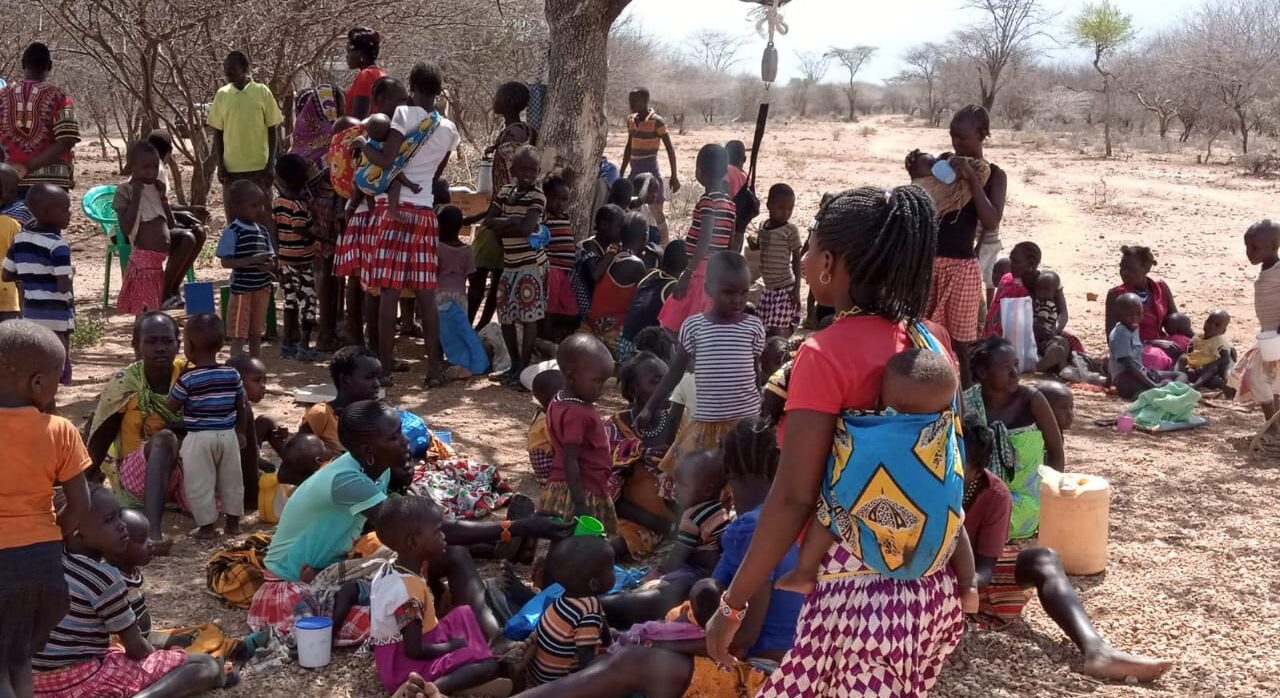
2023 Drought Relief in Northern Kenya
- Distributed 150 tons of food supplies to 3,000 households.
- Provided safe drinking water for over 5,000 people.
2022 Flood Response & Recovery Program
- Assisted 2,000+ families affected by flooding with shelter, hygiene kits, and medical care.
- Trained local first responders in flood rescue operations.
Peace & Conflict Resolution in West Pokot (2021-Present)
- Conducted dialogues and mediation efforts among warring communities, leading to reduced conflict incidents.
- Trained youth leaders in peace building and conflict transformation.
How You Can Support Disaster & Emergency Response Efforts
- Donate Emergency Relief Kits – Help provide food, water, and medical supplies to families in crisis.
- Volunteer as a First Responder – Join our team of disaster relief workers and emergency responders.
- Sponsor a Community Preparedness Project – Fund early warning systems, safety training, and resilience-building initiatives.
Visit our Get Involved page to take action today!